Headlights that seem to spread into a hazy glow across your windshield make winter night driving tiring. A film on the glass, worn wipers, moisture, and scratches all scatter light. The cause can be inside the windshield, outside it, or in several places at once.
Start with the glass and visibility equipment before spending money on brighter bulbs. At Advantage AC, Tire & Repair, we can review the vehicle-related causes of glare and poor visibility. A clear view helps you recognize turns, traffic, and hazards sooner on dark Spartanburg roads.
Dirty Windshield Glass and Headlight Glare
Road spray, dust, and oily residue collect on the outside of the glass. Inside, a thin film builds from airborne residue and normal cabin use. You might barely notice it during daylight, then find every oncoming headlight surrounded by a glow at night.
Clean both surfaces using a product suitable for the glass and any fitted tint or coating. Use clean cloths and remove the remaining residue instead of spreading it across the windshield. Check the result in good lighting before the next night drive.
The lower corners and areas beside the pillars are easy to miss. They still contribute to the view through turns. A complete cleaning often improves visibility more than repeatedly wiping the small area directly in front of the steering wheel.
Worn Wiper Blades and Light Scattering
Wipers that smear, skip, or leave fine streaks create another surface for light to scatter through. Rubber ages and changes shape, so a blade can perform poorly even if it hasn't seen much rain.
Check the blade condition and how evenly it contacts the glass. Dirt on the rubber also leaves marks. Cleaning may help a sound blade, while a torn or distorted edge needs replacement.
Washer operation belongs in the same review. Fluid should reach the glass effectively and suit expected winter temperatures. Avoid running dry wipers over dirty glass, which adds wear and can scratch the surface over time.
Windshield Fogging That Adds Nighttime Glare
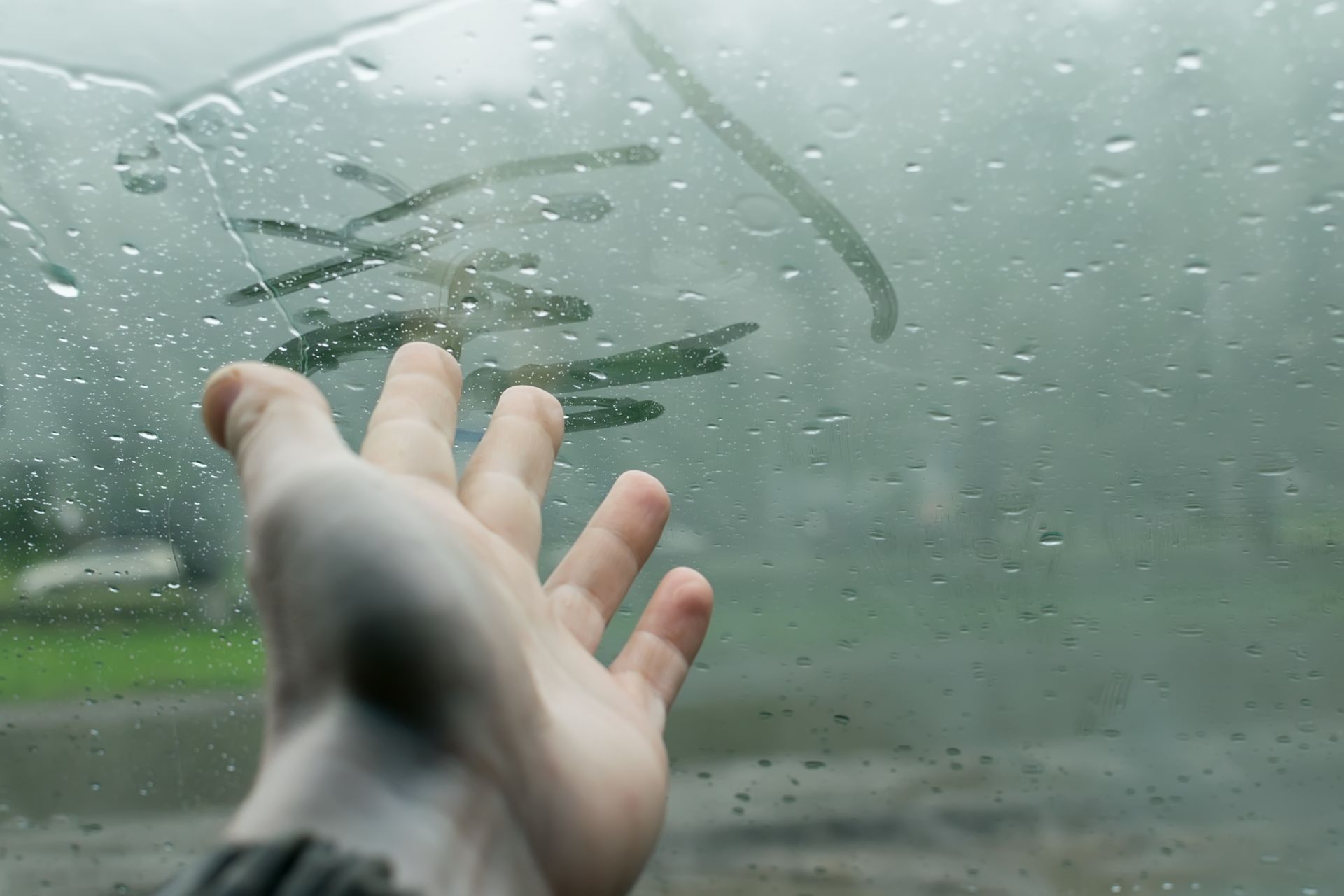
Warm, moist cabin air leaves condensation when it meets cold glass. At night, that fine layer turns lights into a larger blur. Use the defroster before the windshield becomes difficult to see through.
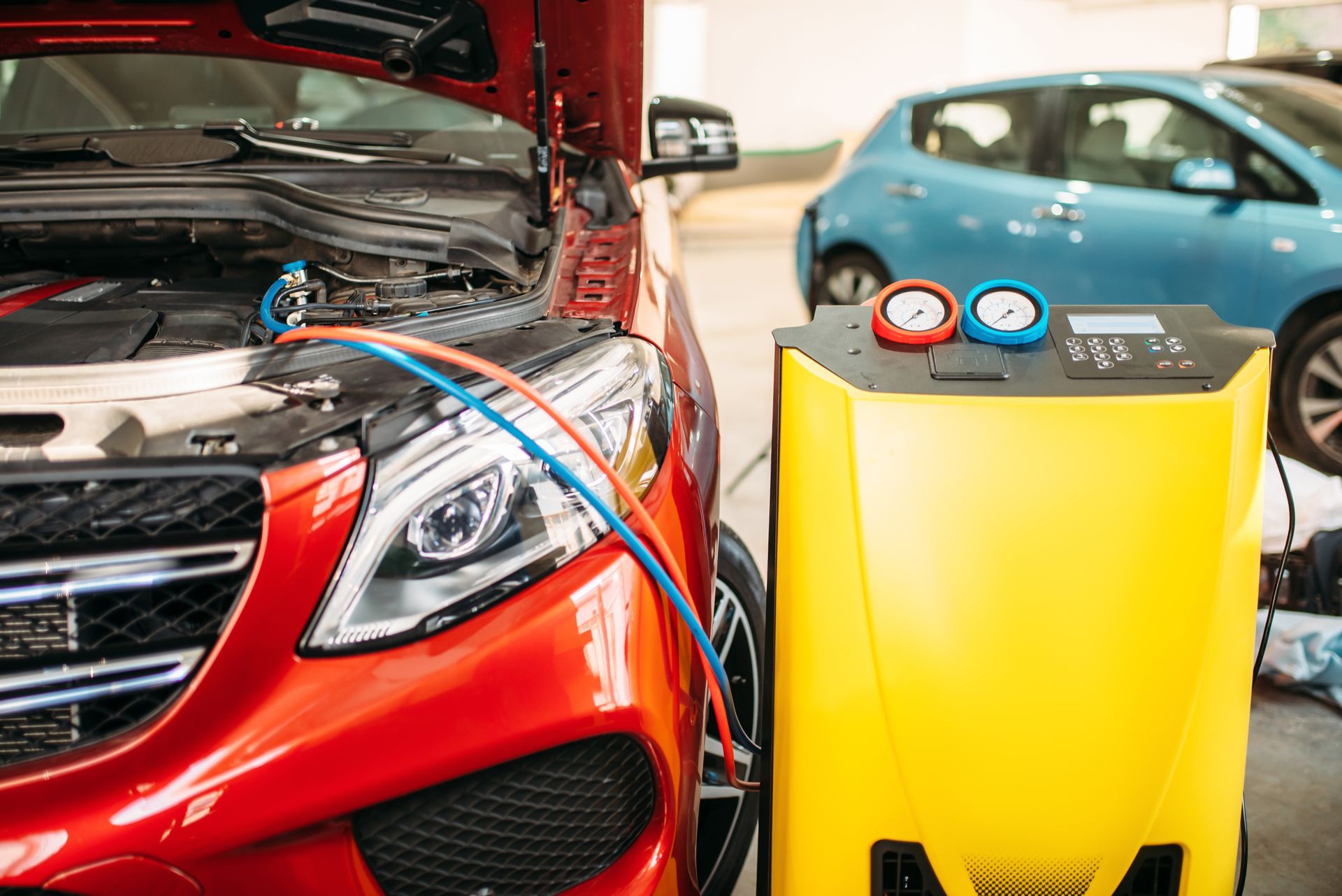
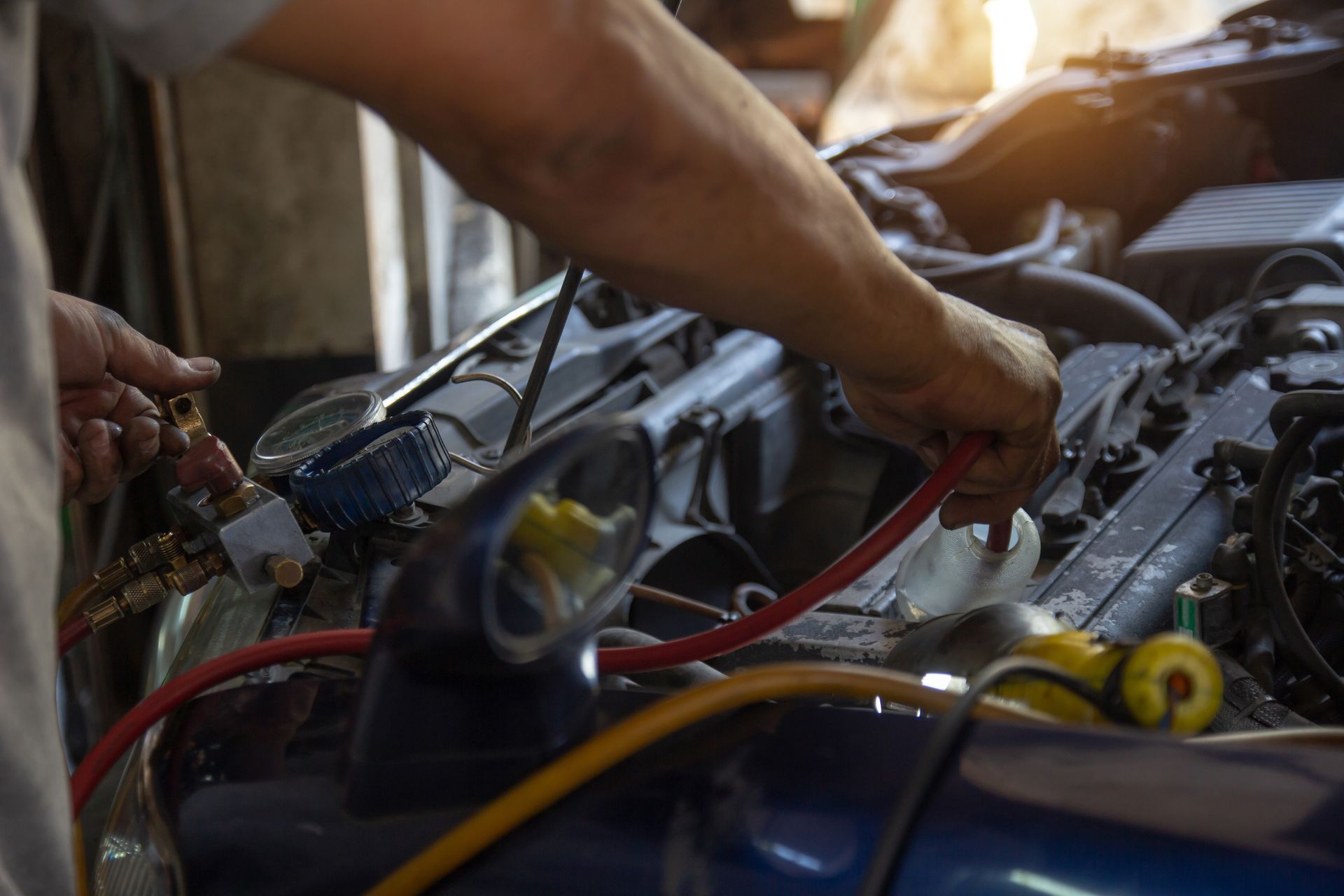
Follow the vehicle's airflow instructions, usually including fresh outside air and air conditioning where the system permits it. The A/C system removes moisture as part of defogging; it isn't limited to cooling the cabin in summer.
If the windshield repeatedly fogs despite the correct settings, check for wet mats, water leaks, weak airflow, or a restricted cabin filter. A sweet smell, greasy film, and coolant loss also deserve attention because a heater-core leak can add moisture inside.
Windshield Scratches, Chips, and Pitting
Years of road debris and wiping gradually affect the glass. Tiny pits and scratches scatter light even after both sides are clean. A chip or crack in a critical viewing area creates a more specific visibility concern.
An assessment helps separate repairable damage from glass that needs replacement. The decision includes location, depth, extent, and the windshield's overall condition. Repeatedly applying polishing products without knowing the damage risks creating an uneven or distorted view.
Mention whether the glare remains after cleaning or seems strongest through one part of the windshield. That helps locate the problem. If your view is obstructed, seek advice before continuing to drive at night.
Vehicle Checks That Help Reduce Windshield Glare
Useful checks include:
- Clean windshield glass inside and outside
- Wiper blades that clear without streaking
- Working washers with suitable winter fluid
- Strong airflow from the defroster vents
- Glass damage in your normal viewing area
- Headlight condition and correct aim
Keeping these items working together gives you a clearer starting point. If one improvement leaves glare unchanged, the next check can focus on the remaining cause. Avoid treating every visibility problem as a reason to fit a brighter headlight.
Headlight Aim and Nighttime Visibility
Your own headlight aim affects how well you see the road and how much glare you create for others. Damaged mounts, incorrect bulb installation, or changes after a repair can alter the beam pattern.
We can review lighting concerns alongside the visibility inspection. A suitable replacement must work with the housing and vehicle requirements. Very bright aftermarket bulbs in an unsuitable lamp can cause glare without meaningfully improving road illumination.
Keep headlight lenses clean too. Haze, damage, and dirt reduce the light reaching the road. A balanced approach checks lens condition, electrical operation, and aim before deciding what needs repair.
Driving Habits That Reduce Nighttime Glare
Dim dashboard lighting to a comfortable level so the cabin doesn't compete with the view outside. Use the mirror's night setting or automatic dimming function where fitted. Keep enough following distance to avoid relying on a short, glare-filled view. When an oncoming light is dazzling, avoid staring directly at it. Keep attention on the road ahead and use lane markings and the road edge as visual references while maintaining a safe course. Reduce speed if you can no longer see enough clear roads to stop.
If glare remains unusually strong after the vehicle's visibility concerns are addressed, an eye examination is worthwhile. Both your vision and the condition of the car affect night driving. Stop safely when you can't maintain a dependable view.
Visibility and Defroster Service at Advantage AC, Tire & Repair
Advantage AC, Tire & Repair in Spartanburg, SC, can review wiper, washer, lighting, and defroster concerns that make night driving harder. Explain when the glare appears and whether cleaning or different climate settings change it.
Contact
Advantage AC, Tire & Repair to arrange a visibility check before the next long winter night drive.