When the weather drops, EV owners usually notice it in two ways: the cabin takes longer to warm up, and range drops faster than expected. Some of that is normal physics, but the type of heater your EV uses also plays a big role in how it performs and what it needs over time.
Heating design changes the whole game.
Heat Pump Vs Resistive Heat In Plain Terms
A resistive heater works like an electric space heater. Electricity runs through a heating element and turns straight into heat, then the HVAC system blows that warmth into the cabin. It is simple and predictable, but it uses a lot of energy, so range takes a noticeable hit in cold weather.
A heat pump is closer to an air conditioner running in reverse. It moves heat from outside air into the cabin using refrigerant, a compressor, and valves, which is more efficient than creating heat from scratch. The big payoff is better cold-weather efficiency, but the system has more parts and more ways to develop issues.
What Typically Fails On A Heat Pump System
Heat pumps depend on refrigerant pressure and precise control of valves and sensors. If refrigerant leaks, the system can lose heating performance, and the vehicle may run the compressor harder than it should to keep up. Compressor issues, valve problems, and sensor faults can also disrupt heating, and some EVs will reduce performance or charging speed if thermal management is not stable.
Because the system is doing more than cabin comfort, heat pump problems can show up in surprising ways. We see owners come in complaining about weak heat, loud fan operation, or a heater that works for a while and then fades. In many cases, the root cause is a pressure or control issue, not a simple blower or cabin filter problem.
What Typically Fails On A Resistive Heater System
Resistive systems are simpler, so failures tend to be more direct. The heater element can fail, a relay can stick, or a control module can stop commanding the heater properly. Some EVs use a high-voltage coolant heater as part of the cabin heating loop, and problems there can look like inconsistent heat or a heater that shuts down to protect itself.
The upside is that there are fewer leak paths and fewer moving parts. The downside is that when a resistive heater is not working, you usually feel it right away. If the car is blowing cool air with the temperature set high, that is not a subtle issue.
Maintenance Differences That Actually Matter
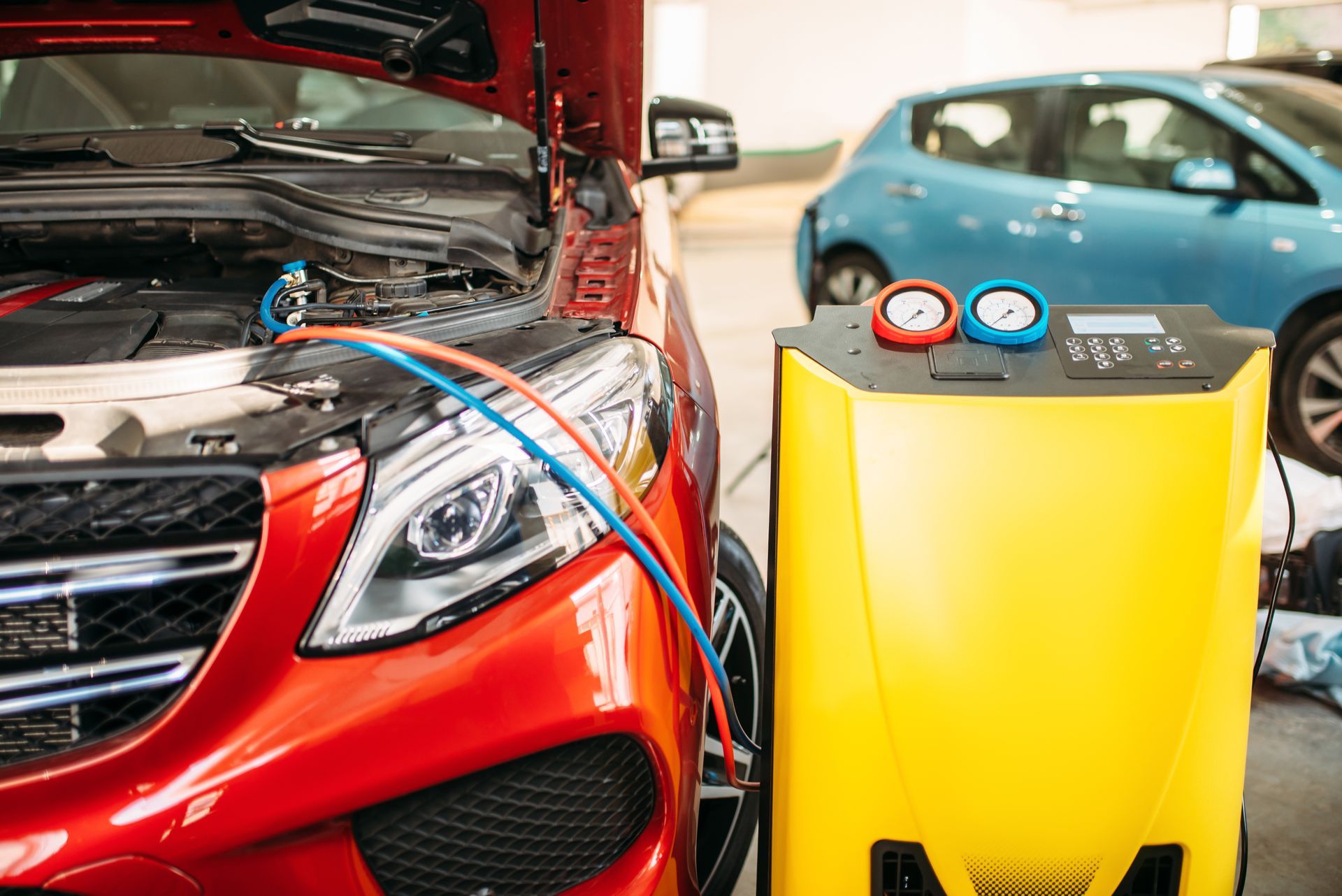
Heat pump vehicles benefit from staying on top of HVAC health because the system relies on clean airflow and stable temperatures to run efficiently. Cabin air filters matter more than people think, and a restricted filter can make the system louder and less effective. An inspection that checks refrigerant performance, compressor operation, and temperature readings can catch small issues early, especially before peak winter weather.
Resistive systems do not require refrigerant service the same way, but they still rely on strong electrical connections and healthy control components. Corrosion, weak battery support systems, or a failing relay can cause heating faults that come and go. This is also where regular maintenance helps, because simple checks on battery health, charging behavior, and HVAC operation prevent winter surprises.
Symptoms That Help Point To The Real Cause
A lot of heater complaints sound the same at first, so the details help narrow it down. Pay attention to whether the heat is weak all the time or only in certain conditions, and whether you hear the compressor working harder than usual.
Here are patterns we use to guide the next check:
- Heat is weak and you notice a sweet smell or oily residue near the front area
- Heating works, then fades after a short drive while fan speed stays high
- Defrost struggles even though the air is moving strongly from the vents
- Cabin heat is fine, but the vehicle seems to limit charging or power in the cold
- The system is quiet but blows cool air even when set to maximum heat
Those clues do not replace testing, but they do help point the work in the right direction quickly.
Why Repairs And Cost Drivers Differ
Heat pump repairs often involve leak detection, pressure verification, and confirming the control side is commanding the right components at the right time. A small leak or a valve issue can create big comfort complaints, and it has to be fixed correctly so the system stays sealed. Parts availability and the complexity of access can also affect cost, depending on the vehicle layout.
Resistive heater repairs tend to be more about confirming power delivery and control commands. Once the failing element, relay, or module is identified, the repair path is usually straightforward. Either way, the smartest approach is to confirm the real fault first, because heater complaints can be caused by airflow restrictions, sensor errors, or power issues that look like heater failure from the driver’s seat.
Get EV Heating System Service In Spartanburg, SC With Advantage AC, Tire & Repair
If your EV is taking too long to warm up, losing heat on drives, or hammering range harder than it used to, the next step is pinpointing whether the issue is heat pump related, resistive heater related, or an airflow and control problem.
Schedule service with Advantage AC, Tire & Repair in Spartanburg, SC, and we’ll test the system and get your cabin comfort back to normal fast.
Cold mornings should not feel like a guessing game.